
Geofence Advertising for the Restaurant Industry

What Geofence Advertising Can "Cook Up" For Your Restaurant...

You run a restaurant and are looking for a new, targeted way to reach potential customers, right? One effective advertising strategy you may be considering is geofence advertising. Geofence advertising for restaurants is a type of location-based digital advertising that uses GPS and other location technologies to target customers with display ads, OTT/CTV ads, and/or video pre-roll ads based on them being in a hyper-specific location.  Examples: a competing restaurant, nearby shops, homes, offices, etc...

In this article, we'll explore how geofence advertising can help your restaurant reach new customers and drive more business. We'll also provide tips for optimizing your geofence advertising campaigns for maximum effectiveness and ROI.

What is Geofence Advertising?

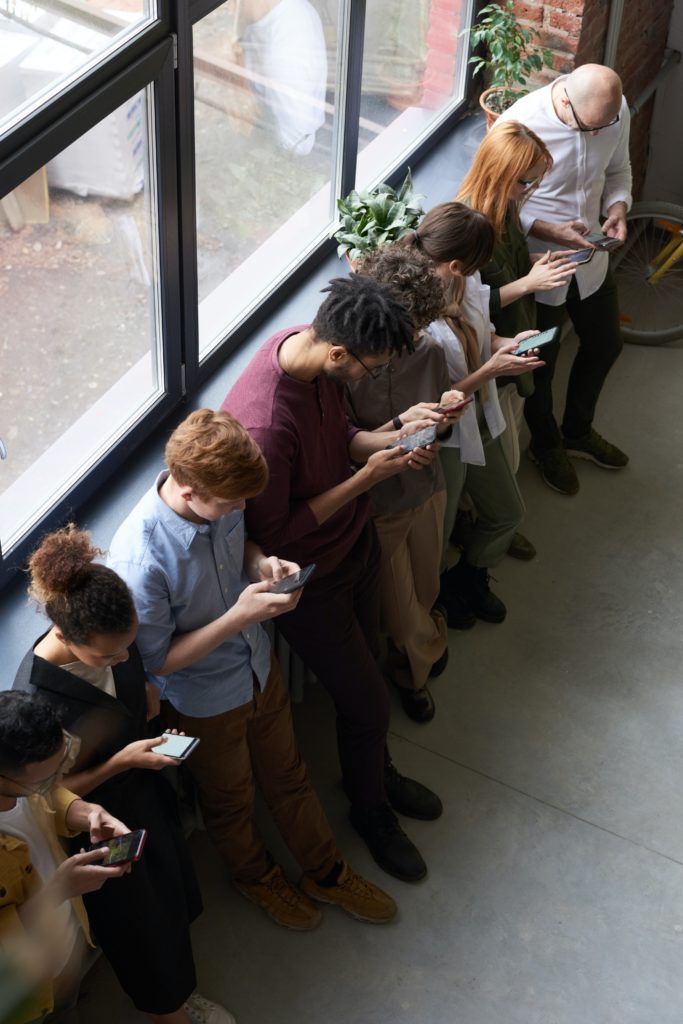
Geofence advertising is a type of digital advertising that allows businesses to create a virtual boundary (aka geofences) around a specific geographic location, such as a competing restaurant. When a mobile device with GPS enabled (aka 90% of smartphones in America) enters one of your geofences, that device and any other devices connected to that device (smart TVs, tablets, other mobile devices, and computers) are collected through Qujam and the system will serve those devices display ads, OTT/CTV ads, and/or video pre-roll ads for the next 30 days.

For example, imagine a customer is shopping by your restaurant and you've geofenced that shop. The next time they go on an app, website, stream their favorite show, etc... we'll be bidding on ad space in those locations to put your restaurant's message in front of that person.

Geofence advertising allows you to target customers with personalized, relevant ads based on their location and behavior. This can help you reach customers who are in your area and likely to visit your restaurant, and it can also help you stand out from your competitors. For more information about what geofence advertising is, click here.
group of people on phones in public Qujam geofencing

How Can Geofence Advertising Help Your Restaurant?

Geofence advertising can help your restaurant in several ways. Here are some of the key benefits:

1. Attract New Customers

One of the biggest benefits of geofence advertising for restaurants is that it can help you attract new customers. By targeting customers who are in your ultra-specific area and likely to visit your restaurant, you can increase your visibility and reach a more desirable audience. This is especially important for new restaurants or restaurants that are trying to expand their customer base.

2. Increase Sales

Geofence advertising can also help you increase sales by promoting special offers, discounts, or promotions to customers who are near your restaurant. By offering a compelling incentive to visit your restaurant, you can encourage more customers to come in and try your food.

3. Improve Customer Engagement

Geofence advertising can also help you improve customer engagement by providing personalized, relevant ads that resonate with your target audience. By tailoring your messages to the interests and preferences of your customers, you can build stronger relationships and encourage more repeat business.

4. Stand Out from Competitors

Finally, geofence advertising can help you stand out from your competitors by offering a unique and innovative marketing strategy that few other restaurants are using. By leveraging the latest location-based technologies, you can differentiate your restaurant and capture the attention of customers who may be looking for something new and exciting.

Tips for Optimizing Your Geofence Advertising Campaigns

To maximize the effectiveness of your geofence advertising campaigns, here are some tips to keep in mind:

1. Choose the Right Location

The first step in creating a successful geofence advertising campaign is to choose the right location for your virtual boundary. Ideally, you want to target areas with high foot traffic and a high concentration of your specific target audience. This could include areas near your restaurant, as well as popular tourist attractions, shopping malls, or other points of interest.

2. Offer a Compelling Incentive

To encourage customers to visit your restaurant, offering a unique and desirable incentive can greatly increase the success of your geofence advertising campaign.

3. Have Tasty Creative

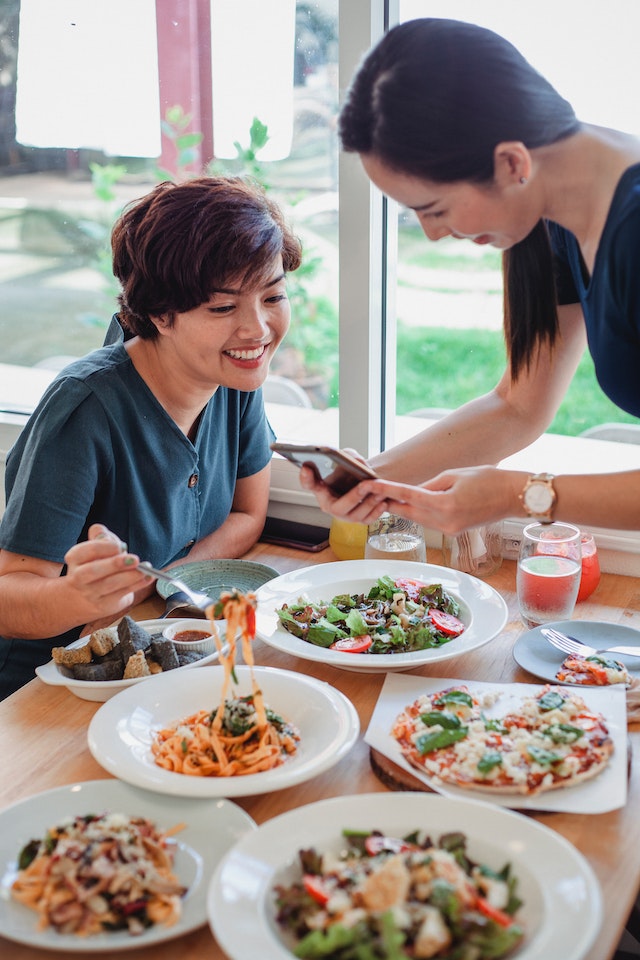
The creative/message you distribute to the audience via display, OTT/CTV, and/or video pre-roll ads need to make their mouth water and be compelling. Geofence advertising's technology reaches the right people, but the message is equality, if not more, important to convince them to dine at your restaurant. For Qujam's general creative best practices, click here.

4. Have a Good Landing Page

The landing page (the website page that someone is taken to if they click on your ad) is important. It must be consistent with the ad that the customer just saw, easy to navigate, and compelling.
women looking at cell phone at restaurant for qujam geofencing

Example Geofence Ad Strategies for the Restaurant Industry

Geofencing is not a one-size-fits-all solution. Its power lies in its versatility and ability to be tailored to specific marketing objectives. Here are some of the most effective strategies that restaurants can implement using Qujam:

Strategy #1: Geo-Conquesting Your Competition

This is a great strategy for restaurants. A person that eats at a nearby competative restaurant is more likely to live or work in the area and, in turn, dining out nearby within the next 30 days as well. Get them to eat at your restaurant next time. 

How it works with Qujam: Use Qujam's easy-to-use map interface to draw a polygonal geofence around your direct competitors. You can fence as many competing restaurants as you want, but we recommend to not over do it. Pick nearby and relevant competitors to your type of restaurant. Additionally, Qujam uses polygonal fences instead of less accurate circular ones, you can precisely target just the lot and showroom, excluding surrounding areas.

Ad Content: When a potential buyer enters one of these geofenced competitor lots, you can serve them a series of display, video, or OTT/CTV ads. Your ad messaging should be a compelling. We recommend that you leverage the local aspect and special/timely incentives to draw the audience in.

The Outcome: You get in front of customers that eat out at similar, nearby restaurants and increase your brand awareness and likely hood for them to dine with you next time.

Strategy #2: Geofence hyper-local foot traffic

Geofencing can serve ads right away and for up to 30 days. If you geofence the walkable area around your location, you increase your chance of instant conversions and the likely hood they will be back in near proximity again soon.

How it works with Qujam: Geofence the walkable areas using our polygonal technology. It's up to you if you want to include your own location, road ways, etc...

Ad Content: The messaging here is highly localized and incentive based. You want to have a message that's timely and compelling. It's also beneficial to highlight the convenient location.

The Outcome: Ultra niche brand exposure to an audience that was walk-able to your restaurant. It increased the likelihood of a quick conversion or a return conversion. Don't forget to enable your physical conversions to show who actually ends up at your restaurant.

Strategy #3: Geofencing Local Events & Areas of Interest

Your target audience isn't just at other restaurants. They might be getting hungry nearby. They're at community events, local sports games, or shopping centers.

How it works with Qujam: Create polygonal geofences around locations where your ideal customer spends their time. This could be a nearby event location, the parking lot of a local football stadium, or shopping centers. (Event geofence is now availed as a managed service.)

Ad Content: The messaging should be tailored to the context of the event or location. "Hungry after the game" or "worked up an appetite shopping" are enticing examples of messaging to leverage.

The Outcome: This approach taps into local and active community members that have disposable income to spend on an event or activity which are more likely to eat out.

Strategy #4: Direct Mailer Menu Companion Ads

Many restaurant send their menus or offers to local residence via direct mail. You can use Qujam to serve digital ads to the same locations that are getting your direct mailer.

How it works with Qujam: You can use the addressable geofencing feature in Qujam to automatically put geofences around the properties on your direct mailing list. You can also use our polygonal geofencing feature to geofence mail routes or neighborhoods if you are using EDDM or print advertising. It's a good idea to to run the geofencing campaigns a few weeks before and after the direct mail piece arrives for maximum effectiveness.

Ad Content: Your ads should mirror and complement the direct mail piece that you sent. This will strengthen the overall ad campaign and improve ad recall and recognition.

The Outcome: An increased effective direct mail campaign and the ability to track physical conversions to see who saw the the digital ads (an in theory the direct mailers) and came to your restaurant.