

Someone listens to a podcast on the way home, streams music at the gym, and catches a local radio app during lunch. Those moments are exactly why digital audio geofencing ads deserve more attention from local businesses and agencies. They let you reach real people based on where they have actually been, then serve audio messages in the environments where attention is often higher and screen clutter is lower.
For advertisers tired of paying for broad targeting that looks good on paper but wastes impressions in practice, audio plus geofencing can be a sharp combination. It is location-based advertising with a format people consume during commutes, workouts, errands, and daily routines. That makes it useful for brands trying to influence store visits, service inquiries, event attendance, or simple local awareness without getting buried in display inventory alone.
What digital audio geofencing ads actually do
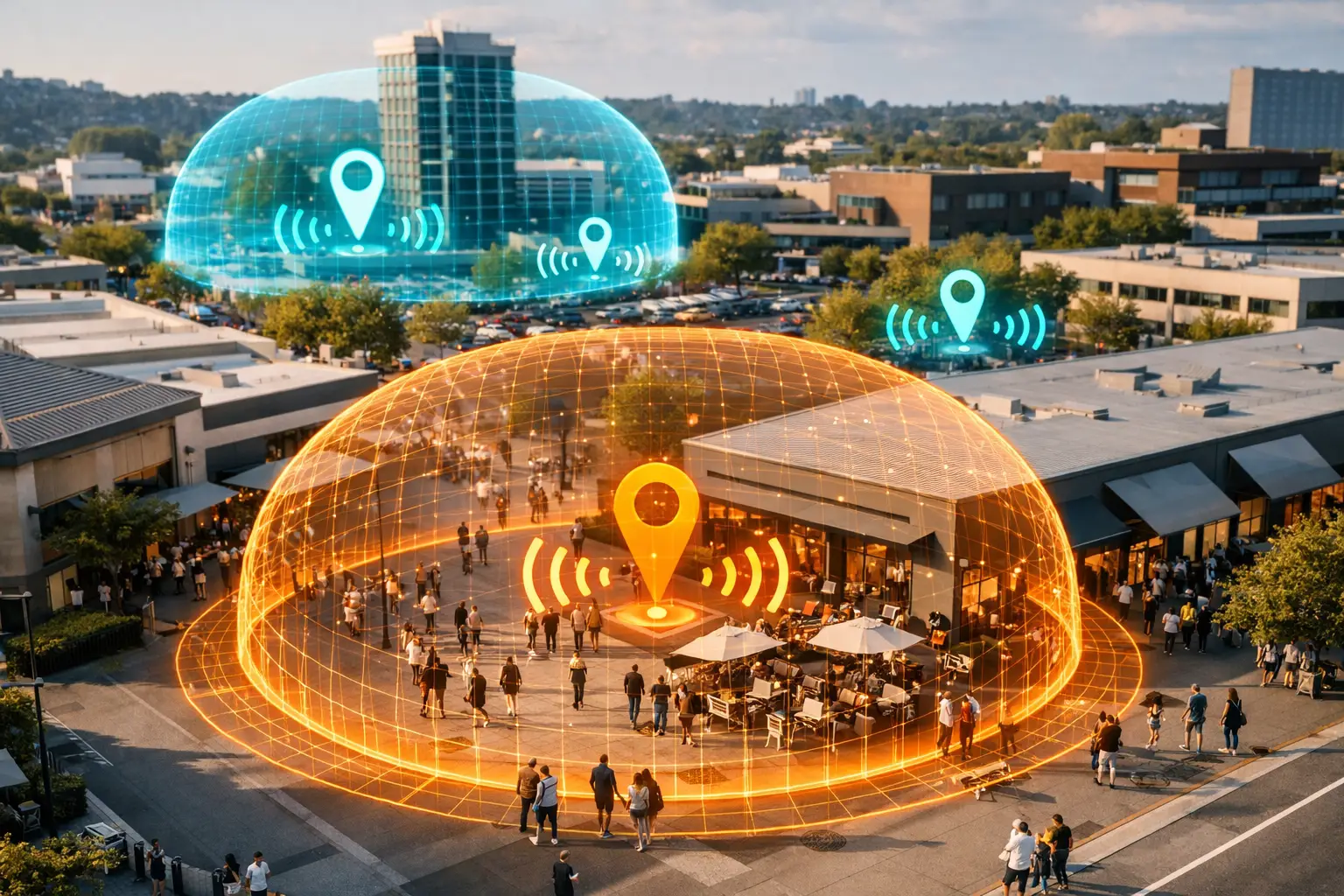
At a basic level, digital audio geofencing ads combine two capabilities. First, geofencing identifies audiences based on physical location behavior, such as visiting a competitor, attending an event, entering a neighborhood, or spending time at a specific business. Second, digital audio delivers your ad through streaming music, podcasts, internet radio, and other audio inventory on connected devices.
The result is not just “target people in a zip code.” It is “target people who visited this car dealership, this shopping center, this urgent care clinic, or this trade show.” That distinction matters. General geographic targeting can still be broad and sloppy. Geofencing is more behavior-driven because it is tied to real-world movement.
In most campaigns, the audience is built from mobile location signals tied to devices seen within a defined area. After that, ads can be served later across compatible devices and inventory. So if someone visited a competitor location last week, your audio ad can reach them while they are streaming content afterward. You are no longer guessing who might be in-market. You are starting with people whose behavior already suggests relevance.
Why audio works differently from display and video
Audio is often overlooked because it has no visual creative to obsess over. That is exactly why it can work so well. People consume audio while driving, walking, working out, cooking, and doing the thousand other things that leave no room for staring at a banner ad.
This does not mean audio is automatically better than display or video. It means it solves a different problem. Display can be useful for visual reminders and retargeting. Video can tell a richer story. Audio, however, puts a voice directly in front of the listener without competing with a crowded screen.
For local advertisers, that can make the message feel immediate and personal. A dental group can speak to recent visitors of nearby competitors. A home services company can target specific service areas and run offers people hear during everyday routines. A franchise brand can support individual locations without paying for a one-size-fits-all market buy.
There is a trade-off, of course. Audio is message-driven. If your offer is weak or your script sounds generic, the format will not save it. You need a clear point, a memorable brand mention, and a call to action simple enough to retain after a single listen.
How targeting works in digital audio geofencing ads
The strength of these campaigns comes from audience construction. You define a location strategy first, then layer in the audio delivery.
A common approach is competitor conquesting. If you are a fitness studio, you can build an audience from people who visited nearby gyms. If you are a med spa, you can target people who spent time at competing clinics. If you run a restaurant near a stadium or festival, you can geofence the event and continue messaging attendees after they leave.
Another approach is service-area targeting. Instead of chasing everyone in a metro area, you focus on neighborhoods and zones that matter to your business. That is especially useful for roofing companies, HVAC providers, legal practices, and other service businesses that need tighter control over where leads come from.
The key is to avoid building an audience that is technically precise but strategically weak. Just because you can geofence a place does not mean it is the right place. A busy shopping center may generate volume, but not necessarily intent. A smaller set of competitor locations may produce fewer impressions and better results. This is where campaign planning matters more than flashy targeting language.
When digital audio geofencing ads make the most sense
These campaigns tend to perform best when location intent is strong and the offer is easy to understand quickly. They are especially useful for retail, automotive, healthcare, home services, education, entertainment, restaurants, political campaigns, and event marketing.
They also fit well when advertisers want to extend beyond visual channels. If your display campaign is doing decent work but frequency is climbing and engagement is flattening, adding audio can diversify the mix. You reach the same general audience in a different context instead of hammering them with more banners.
For agencies and multi-location brands, this format is appealing because it scales. One campaign framework can be adapted across different markets, locations, or audience groups without forcing every store into the same broad media buy.
That said, not every campaign needs audio. If your message depends heavily on visuals, before-and-after images, product demos, or detailed explanations, video or display may carry more weight. Audio works best when your positioning is clear enough to land in 15 or 30 seconds.
What makes a strong audio ad
A good digital audio ad is simple, local, and direct. Most advertisers get in trouble when they write it like a brochure. Listeners will not remember five service lines, three disclaimers, and a slogan that could belong to anyone.
Lead with the hook. Mention the problem, offer, or differentiator early. If location matters, say it plainly. If the audience is based on competitor visitation or event attendance, the message should reflect that context without sounding creepy. Relevance matters. Overdoing specificity does not.
The call to action should also match the way people respond to audio. Asking someone to memorize a long URL is a bad plan. Driving branded search, store visits, direct calls, or short memorable landing paths usually works better. In many campaigns, audio does not do all the work alone. It supports a broader path to action.
Measuring results without the usual fog
One reason some businesses hesitate on audio is measurement. They assume it is fuzzy. It does not have to be.
When paired with geofencing, audio campaigns can be evaluated against meaningful business outcomes such as site visits, conversion zones, audience reach, frequency, and post-exposure behavior. If your setup is solid, you can see whether the campaign is driving traffic from the right audiences rather than just generating cheap impressions.
This is also where many ad platforms fall short. They make targeting sound advanced, then leave reporting thin and hard to interpret. Advertisers do not need more mystery in local media. They need visibility into where ads ran, who was targeted, how often the campaign delivered, and whether those users took action afterward.
If you are running campaigns yourself, real-time control matters too. You should be able to adjust budget, swap creative, refine geofences, and monitor performance without waiting on a managed-service team to get back to you three days later. That is not a luxury. It is basic campaign control.
Common mistakes to avoid
The biggest mistake is treating audio like an add-on with no strategy behind it. If the audience is vague, the message is generic, and the measurement plan is weak, the campaign will feel underwhelming.
Another mistake is overbuilding geofences. Advertisers sometimes draw large zones for the sake of scale, then wonder why performance feels diluted. Precision usually wins, especially when the goal is to reduce wasted impressions.
There is also the issue of timing. Some campaigns benefit from quick follow-up after a location visit. Others work fine with a longer targeting window. It depends on the buying cycle. A fast-casual restaurant and a personal injury attorney should not be measured on the same timeline.
Finally, do not isolate audio from the rest of the campaign. In many cases, it works best alongside display, video, OTT, or CTV. A platform like Qujam can make that easier because you can build location-based audiences once and activate them across multiple channels without adding the usual operational drag.
The real value of digital audio geofencing ads
The best reason to use this format is not novelty. It is efficiency. You are taking a real-world signal, pairing it with a less cluttered ad experience, and giving yourself a better shot at reaching people who are actually relevant.
That matters for small businesses trying to stretch budget, for agencies trying to prove local performance, and for multi-location brands trying to keep media buying practical instead of bloated. Digital advertising does not need more complexity. It needs better targeting and more control.
If your current media mix is wasting impressions on people who were never likely to act, audio geofencing is worth a serious look. The right audience, a clear message, and tighter campaign control can do more than another batch of broad local ads ever will.


