

Key Takeaways:
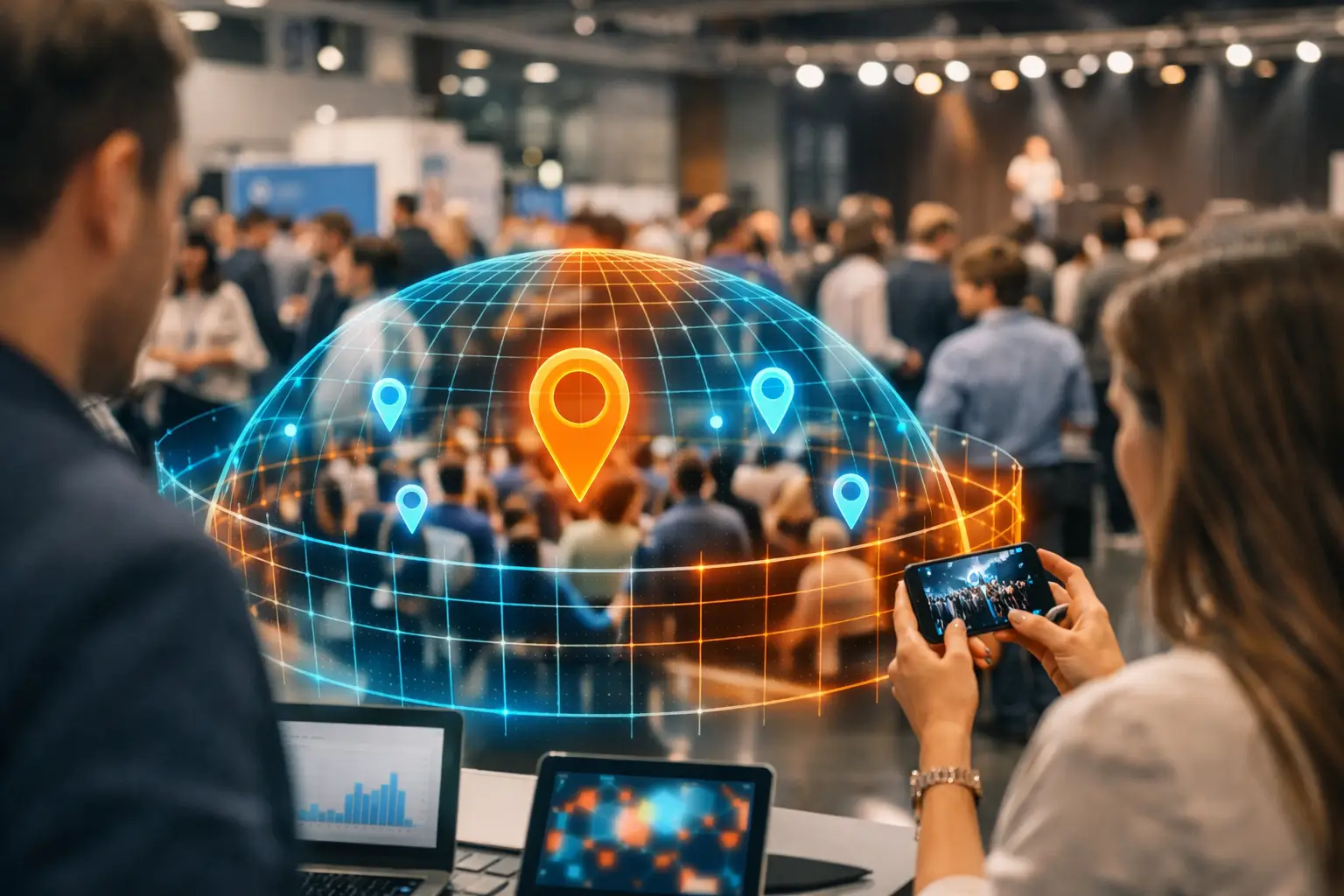
-Precision over Radius: Don’t waste budget on nearby hotels or restaurants. Draw custom, hyper-specific geofences around the exact event venue.
-Timing is Everything: Use during-event ads for booth traffic, and post-event retargeting (14-30 days) for lead generation and follow-up.
-Cross-Device Reach: Turn a single venue visit into ongoing brand exposure by retargeting attendees across mobile, desktop, Connected TV, and digital audio.
-Control the Build: Use self-serve platforms like Qujam to bypass agency minimums, control your budget, and track real-time performance.
Introduction
Trade show traffic is expensive to earn and easy to lose. You pay for the booth, the staff, the travel, the sponsorship, and the lead scanner, then most attendees walk away and never hear from you again. If you want to target event attendees with ads, the goal is simple: stay in front of people after the event without wasting budget on everyone else.
That is where precision event geofencing earns its keep. Instead of relying on broad location settings or weak audience assumptions, you can build a campaign around the exact venue where people physically showed up. For brands, agencies, and local marketers, that means better follow-up, better recall, and a much cleaner path from event traffic to real conversions.
Why event attendee targeting works
Events create unusually strong buying signals. A person who attends an industry expo, a franchise conference, a home show, a medical convention, or a local festival has already raised their hand in some way. They made time, traveled, and entered a defined physical space connected to a topic, product category, or need.
That intent is what makes these campaigns different from standard awareness buys. You are not guessing based on interests alone. You are reaching people who were actually there.
That said, not every event is equal. A national conference can attract highly qualified prospects, but it may also include vendors, media, event staff, and competitors. A consumer expo may deliver volume, but not every attendee is ready to buy. The upside is strong. The quality still depends on how well you set up the targeting and what you do after the visit.
How to target event attendees with ads the right way
The strongest approach starts with the venue itself. You define the event footprint as precisely as possible, then build an audience from devices observed within that mapped area during the event dates. This matters because event targeting gets sloppy fast when advertisers use radius targeting around convention centers, stadiums, or fairgrounds.
A radius can pull in nearby hotels, restaurants, sidewalks, offices, and unrelated traffic. If your event is in a dense area, that waste adds up quickly. Hyper-specific geofencing is better because it focuses on the actual building, event space, or relevant section of the property rather than the surrounding blocks.
Once the audience is built, the next move is ad delivery across devices. That can include mobile, desktop, tablet, connected TV, video pre-roll, and digital audio depending on your campaign goals. This cross-device layer is what turns a one-time event visit into ongoing brand exposure.
For example, a roofing company at a home show may want to keep its name in front of homeowners for the next 30 days. A software company exhibiting at a trade conference may want to run display and video ads to attendees while sales reps work follow-up emails. An agency may want to target people who visited a competitor’s booth area or attended an industry event their client skipped. Different use cases, same principle: reach verified foot traffic after the event ends.
What to set up before the event starts
If you wait until the event is over, you lose options. The best campaigns are planned before doors open.
Start with the event details. You need the exact venue, dates, and ideally the known attendee flow. Large venues often have multiple halls, attached hotels, outdoor activation areas, and public spaces. The more precisely you can define the area that matters, the cleaner the audience will be.
Then decide what kind of attendee you actually want. This sounds obvious, but a lot of campaigns fail here. Are you targeting everyone who attended the event, or only people who entered a specific hall? Do you want all foot traffic, or are you trying to reach likely buyers based on timing and context? If your offer is niche, a narrower audience often performs better than a bigger one.
Creative should also be ready in advance. Event attendee campaigns work best when the message connects to the reason the audience was there. Generic ads waste the advantage. If someone attended a restaurant expo, they should not see vague branding with no relevance to restaurant operations. The ad should match the event theme, the pain point, and the next step.
Timing matters more than most advertisers think
There is a big difference between targeting during an event and retargeting after it.
During-event campaigns can help if your goal is booth traffic, last-minute promotions, or conquesting attention away from competitors. If that is the plan, timing needs to be tight and creative needs to be immediate. Think booth number, live demo, limited-time offer, or same-day visit incentive.
Post-event campaigns usually make more sense for lead generation and consideration. People are no longer distracted by dozens of booths and conversations. They are back at work or back home, processing what they saw. That gives you a better chance to reinforce your message and move them toward a call, form fill, booking, or purchase.
The right lookback window depends on the sales cycle. For a local service, 14 to 30 days may be enough. For higher-ticket B2B or franchise opportunities, you may want a longer follow-up period. More time is not always better, though. Interest fades. If your budget is limited, prioritize the window when recall and intent are strongest.
Best ad strategies for event attendee campaigns
Display ads are often the starting point because they are flexible, cost-efficient, and fast to launch. They work well for reminder messaging, offer-driven follow-up, and broad cross-device visibility.
Video pre-roll can be more persuasive when you need to explain something quickly. If attendees saw your booth but did not talk to your team, video gives you a second chance to make the pitch with more control than a banner ad allows.
Connected TV can be useful for local and regional campaigns where brand lift matters, especially if the event audience overlaps with households you want to influence. It is not always the first choice for direct response, but it can be effective when paired with display retargeting.
Digital audio fits certain audiences well, especially commuters and professionals who consume streaming content regularly. It is a smart add-on when frequency and message recall are the priority.
What works best depends on your audience, budget, and conversion path. The common mistake is trying to use every format at once with no clear role for each one.
Common mistakes when you target event attendees with ads
The biggest mistake is lazy geography. Broad fences create noisy audiences, especially in urban venues. Precision matters.
The second mistake is weak messaging. If your ad could run to anyone, it probably will not perform well with event traffic either. Event audiences respond better when the creative reflects where they were and why that matters.
Another issue is expecting instant conversions from every campaign. Some events produce quick action. Others are more about staying visible while prospects compare vendors and revisit options. If your product has a longer buying cycle, measure more than last-click conversions.
There is also the problem of poor reporting. If you cannot see delivery, timing, spend, and performance clearly, you cannot improve the campaign. This is one reason many advertisers get frustrated with outdated geofencing vendors. High minimums and vague reporting are a bad combination.
Measuring whether the campaign worked
Success depends on the objective you set at the start. If the goal is direct response, track form fills, calls, booked appointments, or purchases. If the goal is post-event visibility, monitor reach, frequency, click activity, and assisted conversion patterns.
Conversion zones can also help connect digital delivery back to physical outcomes in certain campaigns. For example, a retail brand or service business may want to know whether ad-exposed users later showed up at a location. That is often more useful than clicks alone.
Keep expectations realistic. An event attendee audience is powerful because it is qualified, not because it is magic. A poorly timed offer, weak landing page, or confusing call to action can still drag down results. Good targeting improves the odds. It does not fix every part of the funnel.
Where self-serve geofencing changes the game
A lot of businesses want to run event campaigns but get blocked by the usual friction: slow setup, managed-service gatekeeping, unclear pricing, or minimum spends that make testing impractical. That is exactly why self-serve geofencing platforms have gained traction.
If you can map the venue precisely, launch fast, control the budget yourself, and watch performance in real time, event targeting becomes far more usable. You do not need to overcommit just to test a smart idea. You can run a focused campaign, learn from it, and adjust without waiting on an account rep to make every change.
For advertisers who want precision without the old-school ad tech nonsense, that control matters. Platforms like Qujam are built for this kind of execution – hyper-specific location targeting, cross-device delivery, and clear reporting without the usual operational drag.
If you already invest in events, do not let the value disappear when attendees leave the venue. The smartest follow-up often starts before your sales team makes the second call.


