
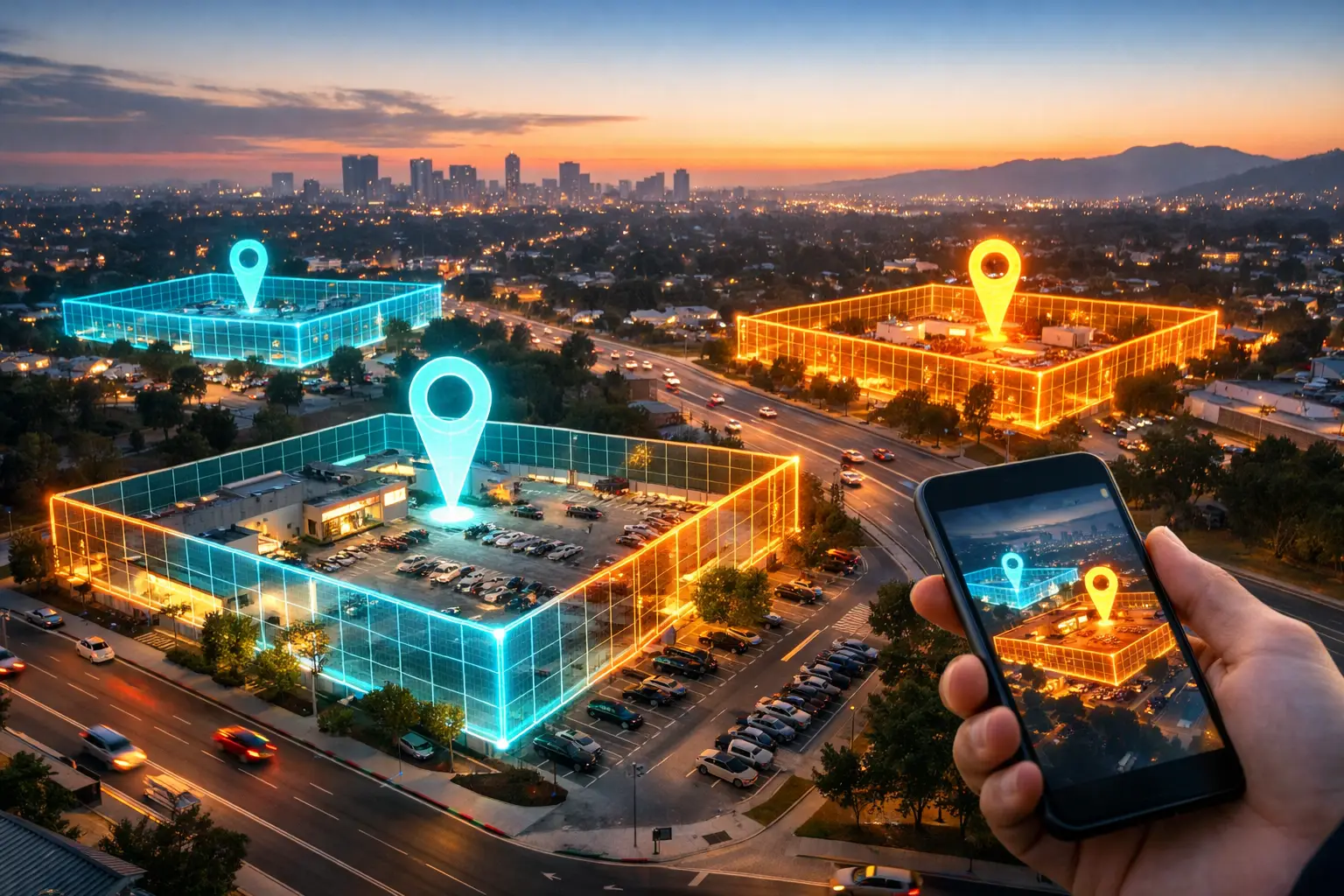

A geofencing campaign can launch quickly, but that does not mean it should end quickly. The benefits of running longer geofencing campaigns show up when your ads have enough time to reach real people repeatedly, adapt to local patterns, and produce results you can actually evaluate. For a local business, a two-day flight may create a spike in impressions or not have enough time to serve very many. A longer campaign can create familiarity, better data, and a more dependable path from awareness to action.
That does not mean every campaign needs to run forever. Event geofencing, grand openings, and limited promotions often have a fixed window. But for ongoing lead generation, local brand awareness, competitor audience targeting, or multi-location growth, giving a campaign more runway is usually the smarter move.
Why Campaign Duration Changes Performance
Geofencing works by building an audience from people who physically visit a precisely defined location, such as a competitor store, neighborhood, event venue, business complex, or service area. Ads can then reach that audience across available devices, including phones, tablets, computers, and TVs via display, audio, video pre-roll, or OTT/CTV mediums.
That audience does not appear all at once. People visit locations at different times, on different days, and with different levels of purchase intent. A short campaign may not give the users enough time to navigate to the publishers where ad inventory is available. A longer flight gives your campaign more opportunities to build a meaningful audience and serve messages when people are most likely to notice them.
Duration also matters because local behavior is rarely consistent. Weekday traffic may look different from weekend traffic. A restaurant, home services company, retailer, or auto business may see demand shift with weather, paydays, school schedules, holidays, or local events. Running longer helps prevent one unusual week from becoming the basis for your entire marketing decision.
Longer Geofencing Campaigns Build Better Audience Coverage
The first major advantage is simple: more time generally creates more qualified opportunities to reach people who visit your target locations. If you geofence a competitor location for three days, you may capture a limited group of visitors. If the campaign runs for several weeks or months, you can reach visitors with a broader range of schedules and shopping habits.
This matters especially when the target location has moderate foot traffic. A small business should not assume a highly specific geofence will generate the same audience volume as a major stadium or busy retail center. Precise targeting reduces wasted impressions, but it also means the campaign needs enough time to collect audience activity at a useful scale.
Longer duration is also helpful for businesses targeting several locations. A multi-location brand can compare which stores, neighborhoods, or competitor sites produce stronger engagement over time instead of making a call based on a few days of activity. That creates a more useful picture of where local demand exists and where budget deserves to go next.
Repetition Creates Recognition Without Rushing the Sale
Most people do not respond to an ad the first time they see it. They may notice the business name, then see an offer a few days later, then search for the company or visit when a need arises. A longer geofencing campaign supports this natural decision process.
The goal is not to serve the same ad endlessly. It is to maintain an appropriate presence. With a longer flight, you can rotate creative, test a direct offer against a brand-focused message, and adjust the call to action without losing the audience you have already built.
For example, a local contractor may first run creative that introduces its service area and reputation. Later, it can rotate in seasonal messaging, a financing offer, or a timely reminder to request an estimate. The person seeing those ads is not starting from zero each time. They have already had a chance to recognize the business.
Frequency still needs attention. Too little delivery can make the campaign forgettable, while too much can make the ads feel repetitive. A longer campaign gives advertisers room to manage frequency through pacing and creative refreshes rather than trying to force all results into a short burst.
The Benefits of Running Longer Geofencing Campaigns Include Clearer Data
Short campaigns can be misleading. A few conversions may look promising, but there may not be enough activity to know whether performance is repeatable. On the other hand, no immediate conversions do not automatically mean the location, message, or offer failed. Many services have longer consideration cycles, and some customers may convert after multiple exposures.
A longer campaign gives you more reliable reporting trends. You can monitor delivery, engagement, conversion-zone activity, and performance by creative or location over a meaningful period. Instead of reacting to a single strong or weak day, you can look for patterns.
That changes how you optimize. If one target location consistently drives stronger results, you can increase its share of budget. If a certain creative performs better with a specific audience, you can keep refining that message. If conversion activity rises after a new offer launches, you have a better basis for continuing it.
The key word is direction, not perfection. Location-based advertising data helps inform decisions, but it should be considered alongside what is happening in the business itself. Are more calls coming in? Are store teams hearing that customers saw the ad? Are website inquiries increasing? Pair platform reporting with your own sales and lead data for a more complete view.
Longer Flights Make Budget Pacing More Practical
A longer campaign does not necessarily require a larger total budget. It often means distributing the budget more thoughtfully. Instead of spending everything in one short period, you can pace spend across weeks and maintain visibility with the people who matter most.
This approach can be especially useful for small and midsize businesses that need consistency without committing to large, opaque advertising contracts. With a self-serve platform such as Qujam, advertisers can monitor campaigns in real time and make adjustments based on what they see rather than waiting until the campaign is over.
Pacing also gives you room to test. You might begin with a focused set of target locations and two creative versions. After enough delivery has occurred, shift more budget toward the better-performing message or expand to a related location type. Those are measured moves, not guesses made before any real-world data exists.
Technology Limitations
Geofence advertising will not capture everyone that enters a geofence, so the more time you give a campaign, the more valuable people you can collect. There are a few key reasons geofencing doesn’t target everyone. 1. 10% of Americans have GPS turned off on their phone. 2.If there is any indication that the person is a bot or the location can’t be verified by the system, it will exclude that device from getting ads. 3. Some people use ad blockers.
The Bidding Factor
Geofencing is a form of programmatic advertising that relies on a Cost Per Thousand (CPM) bidding system across thousands of publishers. Due to system optimizations and impression bidding factors, the system sometimes needs time to win more inventory from other advertisers while ensuring the campaign isn’t over paying for impressions.
How Long Should a Geofencing Campaign Run?
There is no universal campaign length. The right duration depends on foot traffic, audience size, budget, business category, offer, and the action you want people to take. A time-sensitive event campaign may need only a few days. A promotion with a clear deadline might run for two to four weeks. Ongoing local awareness and lead generation campaigns often benefit from running for several months.
A practical starting point for many businesses is long enough to cover multiple weekly traffic cycles and allow time for meaningful delivery and optimization. For a location with lower visitor volume, more time is usually more valuable than trying to increase spend aggressively over a few days.
Before choosing a length, ask a few practical questions. How often does your ideal customer visit the target location? Is the purchase decision immediate or considered over time? Do you have enough budget to sustain consistent delivery? Can you refresh creative if the campaign continues? The answers matter more than selecting an arbitrary number of days.
Set Up a Longer Campaign With a Plan to Learn
Longer campaigns work best when they are active, not forgotten. Start with a clearly defined business goal, such as generating estimate requests, increasing store visits, building awareness around a new location, or attracting people who visit competitor locations. Then choose geofences that closely match that goal. Hyper-specific targeting is more useful when the location itself has a clear connection to likely customers.
Use a conversion zone when it fits the goal, and check reporting regularly. Early on, focus on whether the campaign is delivering as expected and whether the creative is clear. As data accumulates, look for differences between locations, audiences, and messages. Make changes one at a time when possible, so you can understand what likely influenced the result.
Creative should evolve with the campaign. Keep the core message consistent enough to build recognition, but refresh imagery, offers, or calls to action when they no longer feel timely. A longer campaign is not just more days on a calendar. It is an opportunity to make smarter local advertising decisions with every week that passes.
If your business depends on earning attention in a specific market, patience can be a competitive advantage. Give precise targeting enough time to find the right people, give your message enough time to register, and give yourself enough data to decide what to do next.


