
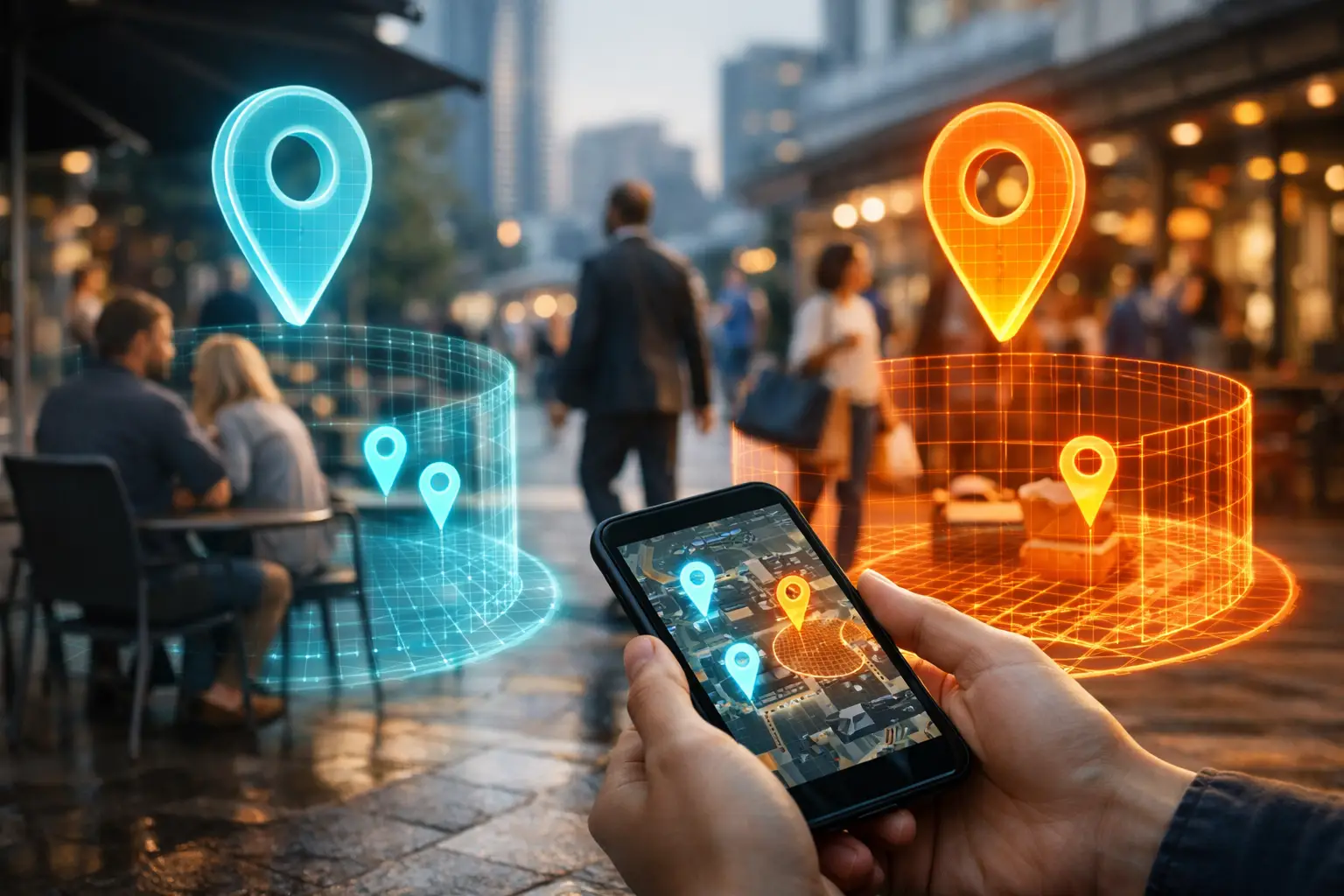

A packed parking lot, a sold-out local event, a competitor’s storefront, and a newly built apartment complex can all look like “local audiences.” They are not equally valuable. The best audience segments for geofencing are the ones tied to a real business reason: a likely need, a clear buying window, or a location that signals meaningful intent.
That distinction matters because hyper-local advertising is not about drawing the biggest possible map. It is about targeting specific places – a building, event, neighborhood, business, complex, or competitor location – where a visit makes someone more relevant to your offer. Start with the audience’s likely next action, then choose locations that support it.
What Makes a Geofencing Segment Worth Targeting?
A useful segment has three qualities. First, the location attracts people who are genuinely relevant to your business. Second, there is a logical reason they may need or want what you sell. Third, you can serve an offer that fits the moment without making assumptions that the visit alone cannot support.
For example, a home services company may get better results by targeting neighborhoods with older homes or active new developments than by targeting an entire ZIP code. A restaurant opening a second location may benefit more from reaching people who attended a nearby food festival than from buying broad local impressions.
The goal is not to target every place your customer might visit. It is to choose a manageable set of locations where intent is strong enough to justify ad spend. Smaller, well-defined audiences can often outperform broad campaigns because there is less waste and the message can be more specific.
Best Audience Segments for Geofencing Campaigns
1. Competitor Visitors
Competitor targeting is one of the most practical geofencing segments because the audience has already shown category interest. Someone visiting another auto dealership, gym, furniture showroom, quick-service restaurant, or home improvement store is not a random local resident. They are actively spending time at a business similar to yours.
The trade-off is that competitor visitors are not automatically ready to switch. Your creative needs a reason to consider you, such as a limited-time offer, a price advantage, a nearby location, faster service, better selection, or a clear differentiator. “We’re better” is weak. “Get a free estimate within 24 hours” gives people a reason to act.
Be selective with the locations you fence. Targeting two or three direct competitors may be smarter than building a long list that includes businesses with a different customer base, price point, or service model.
2. Event Attendees
Events create concentrated attention and a defined campaign window. Conferences, trade shows, sporting events, concerts, community festivals, expos, job fairs, and grand openings can all be useful when the event audience matches your customer profile.
An event segment works best when the offer is relevant to why people are there. A local restaurant can promote a post-event special to attendees near a venue. A business-to-business company can run a follow-up campaign after an industry trade show. A retail brand can reach attendees at a large community event with an offer valid at its nearest store.
Timing is a major factor. You may want ads served while the event is happening, after attendees leave, or both. A campaign designed for awareness can run around the event dates. A lead-generation campaign may perform better with follow-up ads over the next several days, when people have time to respond.
3. Neighborhoods and Residential Complexes
Neighborhood targeting is especially useful for businesses with a defined service area or a strong local footprint. Roofers, landscapers, pest control companies, moving services, internet providers, restaurants, retail stores, and fitness studios can all benefit from reaching residents in specific communities.
The most effective approach is to identify why one neighborhood matters more than another. It may be close to a new location, underserved by competitors, within a delivery area, or full of homes that match your ideal customer. Apartment and condo complexes can also be valuable when your offer fits residents’ needs and the location has enough scale to support a campaign.
Avoid treating every neighborhood the same. A campaign aimed at a high-density urban apartment complex should not use the same creative as one aimed at suburban homeowners. The audience may be geographically close, but their needs, routines, and purchase decisions can be very different.
4. Business Locations and Nearby Commercial Areas
Your own business location is a useful starting point, particularly for awareness, retention, or cross-selling. You can target people who visit your store, showroom, office, or venue and continue reaching them across connected devices, including phones, tablets, computers, and TVs.
This works well when there is a natural next step. A car wash can encourage repeat visits. A furniture store can promote financing or a seasonal sale to past visitors. A restaurant can advertise catering to people who have visited a dine-in location. The message should add value rather than simply repeat an ad for a place they already know.
Nearby commercial areas can also be valuable for businesses that rely on convenience. Target workers or shoppers around office buildings, retail centers, and entertainment districts with an offer that reflects proximity: lunch specials, same-day appointments, walk-in availability, or a location just minutes away.
5. Complementary Business Visitors
Some of the strongest segments come from businesses that serve the same customer without directly competing. Think of a bridal shop near a florist, a furniture retailer near a home décor store, or a pet supply business near a grooming facility. These locations can indicate a relevant life stage, shopping mission, or interest without forcing a direct competitor comparison.
This strategy requires judgment. A complementary location should have a clear connection to your offer, not just a vague similarity. If you cannot explain in one sentence why someone visiting that place would care about your ad, it is probably not a good segment.
Start with a small group of high-fit locations and compare results against competitor targeting. In some categories, complementary audiences are cheaper to reach and more responsive because they are not being chased by every direct competitor.
6. High-Intent Shopping Destinations
Large retail centers, specialty stores, showrooms, and shopping districts can provide useful signals when your product aligns with the destination. A flooring company might target people visiting home improvement retailers. A formalwear shop may look at relevant retail areas during prom or wedding season. A local food brand may target visitors to specialty grocery destinations.
The key is to separate general foot traffic from purchase intent. A broad mall may bring volume, but it can include people there for dozens of unrelated reasons. A specialty showroom may have less traffic but a much stronger fit. For smaller budgets, intent usually matters more than scale.
7. Service Area Prospects
For service businesses, the best segment may simply be the places where you want more jobs. This is not the same as blanketing an entire city. Build geofences around high-value neighborhoods, new housing developments, commercial properties, or localized areas where your crews can serve customers efficiently.
Operational realities should shape this strategy. There is little value in generating leads from places where you are booked out, cannot travel profitably, or do not have the right team capacity. Align your campaign geography with the areas your business can actually support.
Match the Message to the Segment
A segment is only half the campaign. The ad needs to answer, “Why should this person care now?” Competitor visitors may respond to a comparison offer or a switching incentive. Event attendees may respond to a short deadline. Residents in a targeted complex may respond to convenience, local availability, or an exclusive neighborhood offer.
Keep the creative clear. Use one offer, one benefit, and one action. If you are asking someone to book, call, visit, request a quote, or claim a discount, make that action obvious. Hyper-local targeting gives your campaign relevance, but the ad still has to earn attention.
It also helps to create separate campaigns or ad groups for meaningfully different segments. Do not force one message across competitor visitors, event attendees, and neighborhood residents just because they are all local. Separating them gives you cleaner reporting and makes it easier to shift budget toward what is working.
Measure More Than Clicks
Impressions and clicks are useful, but they rarely tell the full story for location-based advertising. Track the outcome closest to your goal: [physical conversions] (https://qujam.com/2026/06/06/geofencing-conversion-tracking-explained/), calls, form submissions, booked appointments, online orders, sales, etc…
Give a campaign enough time and delivery to produce a meaningful signal, then compare segments rather than judging everything against a single overall click-through rate. A smaller audience with fewer clicks may still be your best performer if it produces more qualified leads or higher-value customers.
A self-serve platform such as Qujam makes this testing process more practical because you can adjust locations, budgets, creative, and conversion zones without waiting on a managed-service team. Start with a focused test, review live reporting, and make decisions based on results instead of assumptions.
The right geofencing audience is rarely the largest one. It is the group whose location makes your next message feel timely, useful, and easy to act on. Choose a few places with a strong business case, give each segment a message that fits, and let performance show you where to expand.


